Aviation in the 21st Century: Innovation, Connectivity, and the Future of Air Travel
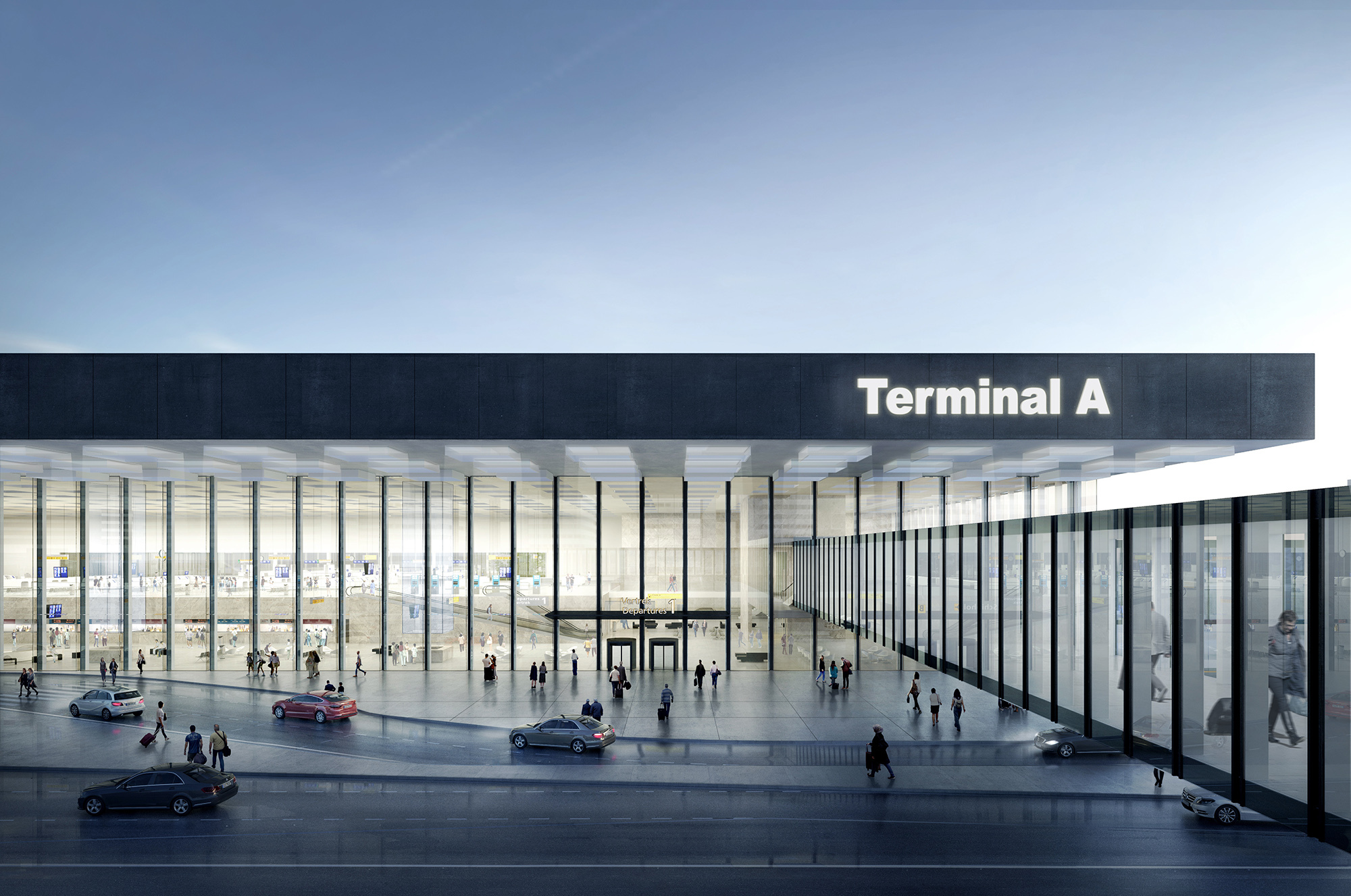
Aviation has always been a powerful symbol of progress. In the 21st century, it stands at the intersection of technology, global connectivity, and sustainability. What was once a luxury reserved for a few has now become a fundamental part of everyday life, enabling people and businesses to move across continents in a matter of hours.
As the aviation industry continues to evolve, it faces new challenges and opportunities. From digital transformation to environmental responsibility, modern aviation is redefining how the world moves.
The Growth of Global Air Connectivity
One of aviation’s most significant contributions is global connectivity. Today, thousands of airports and airlines form a vast network that links even the most remote regions of the world. This connectivity supports international trade, tourism, diplomacy, and cultural exchange.
For developing regions, aviation often acts as a catalyst for economic growth. New air routes attract investment, create jobs, and improve access to global markets. Cities with strong aviation infrastructure frequently become business hubs, benefiting from increased mobility and trade.
Low-cost carriers have also reshaped air travel by making flights more affordable. This democratization of aviation has allowed millions of first-time flyers to experience air travel, expanding the industry’s reach like never before.
Digital Transformation in Aviation

4
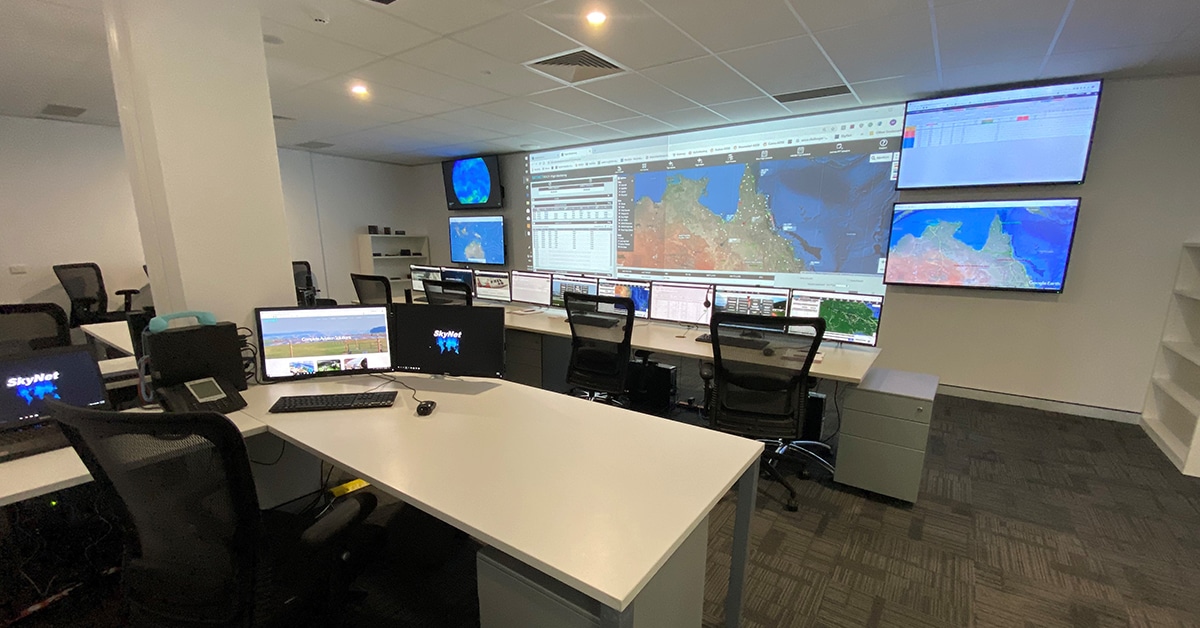
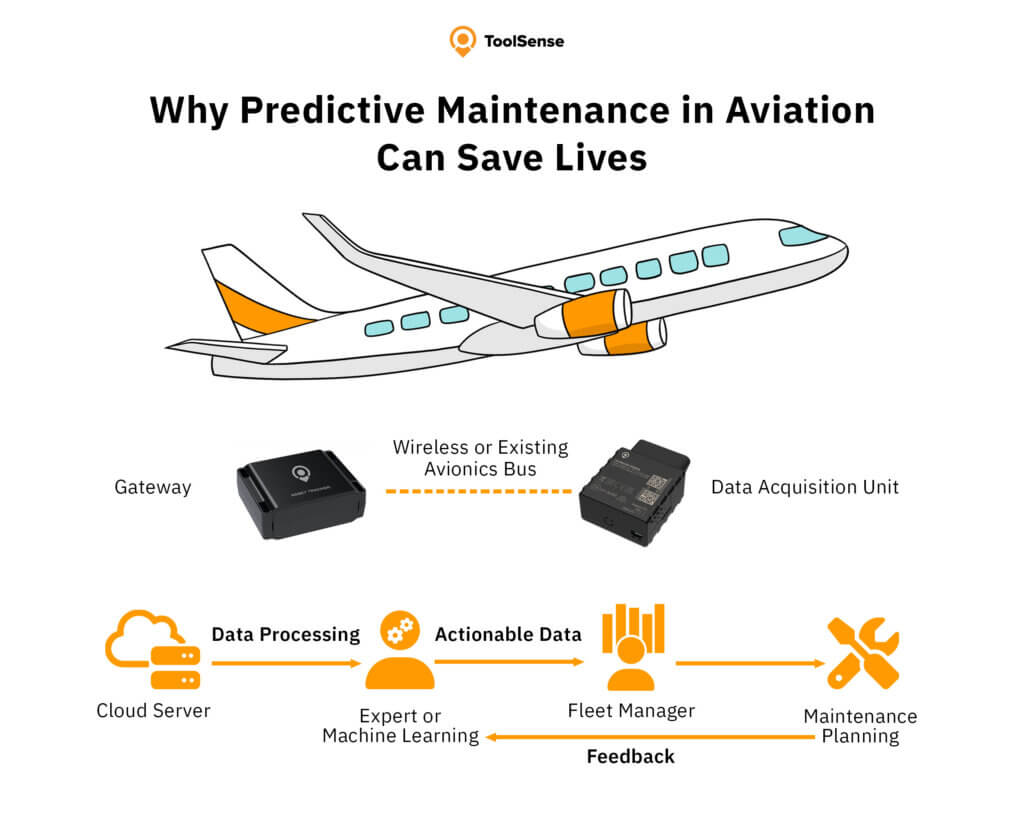
Digital technology plays a crucial role in modern aviation operations. Airlines now rely on data-driven decision-making to optimize routes, reduce fuel consumption, and improve on-time performance. Advanced analytics help predict maintenance needs, preventing technical issues before they occur.
Air traffic management systems have also evolved significantly. Satellite-based navigation allows for more precise routing, reducing congestion and improving safety. Pilots receive real-time updates on weather and traffic, enabling smoother and more efficient flights.
On the passenger side, digital transformation has enhanced the travel experience. Online booking, mobile boarding passes, biometric security checks, and in-flight connectivity have become standard expectations rather than luxuries.
Aircraft Design and Engineering Advancements
Modern aircraft are designed with efficiency, comfort, and safety in mind. Engineers continuously refine wing shapes, materials, and engine performance to reduce drag and fuel consumption. Composite materials, such as carbon fiber, are now widely used to make aircraft lighter and stronger.
Cabin design has also evolved to improve passenger comfort. Better air filtration systems, quieter engines, mood lighting, and ergonomic seating contribute to a more pleasant flying experience. These improvements are particularly important for long-haul flights, where comfort plays a major role in passenger satisfaction.
Behind the scenes, simulation and testing technologies allow manufacturers to evaluate aircraft performance long before the first physical prototype is built. This reduces development time while improving reliability and safety.
Aviation Safety and Reliability
Safety remains the foundation of aviation. Every aspect of flight operations is governed by strict procedures and international standards. From pilot training to aircraft certification, each layer of the system is designed to minimize risk.
Pilots undergo continuous training throughout their careers, regularly practicing emergency scenarios in simulators. Maintenance teams follow detailed inspection schedules, ensuring that aircraft remain airworthy at all times.
Airports also play a key role in safety. Runway management, ground handling, security screening, and emergency response systems all contribute to the safe movement of aircraft and passengers. The result is an industry that continuously improves its already strong safety record.
Environmental Responsibility in Aviation

4
Environmental sustainability is one of the biggest challenges facing aviation today. As air travel demand grows, so does the need to reduce emissions and environmental impact. The industry is responding with a multi-layered approach.
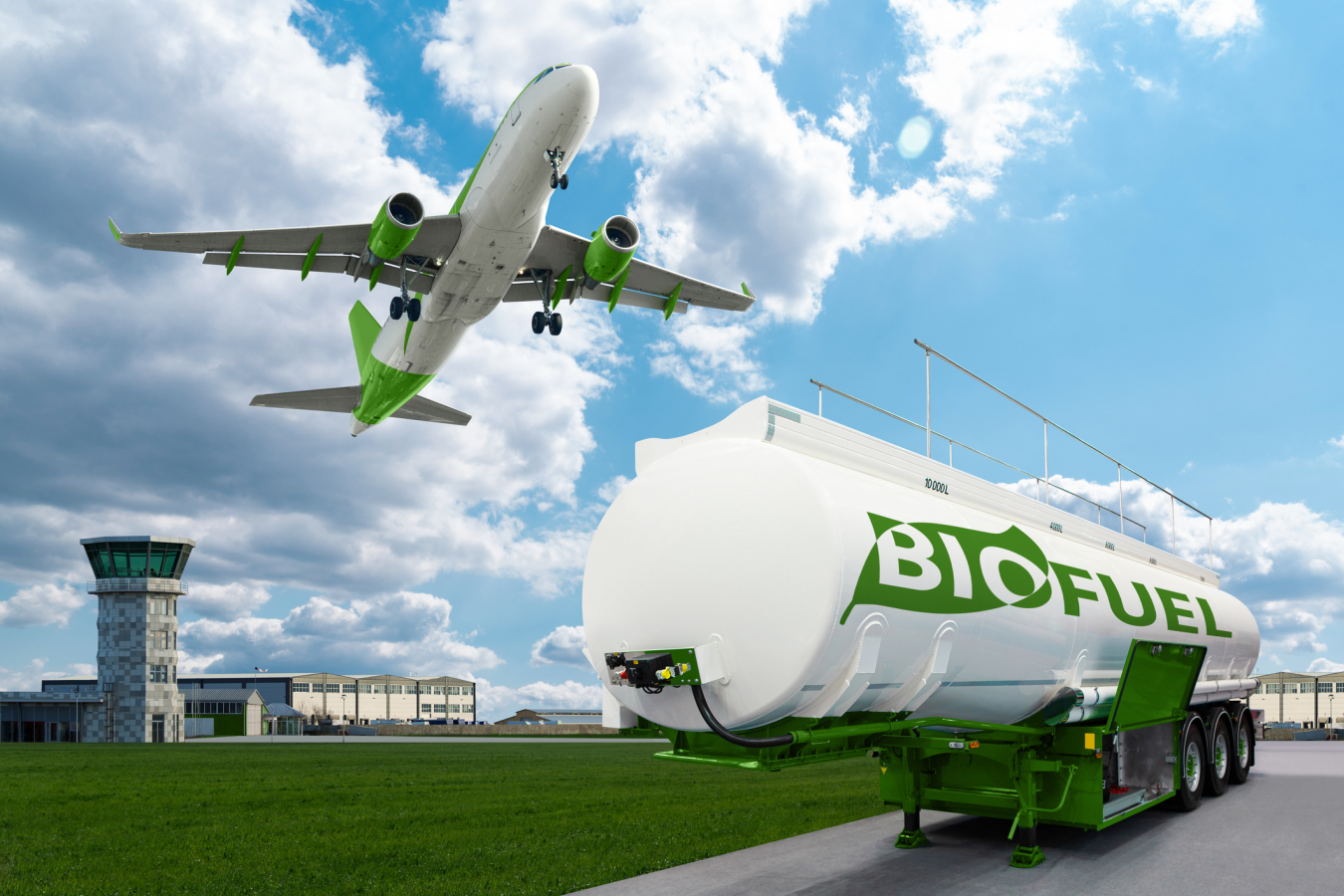
Fuel efficiency improvements have already reduced emissions per passenger significantly compared to previous decades. Sustainable aviation fuels are emerging as a promising alternative to traditional jet fuel, offering lower lifecycle emissions.
Electric and hybrid aircraft concepts are gaining momentum, particularly for short regional routes. While these technologies are still in development, they represent an important step toward cleaner aviation.
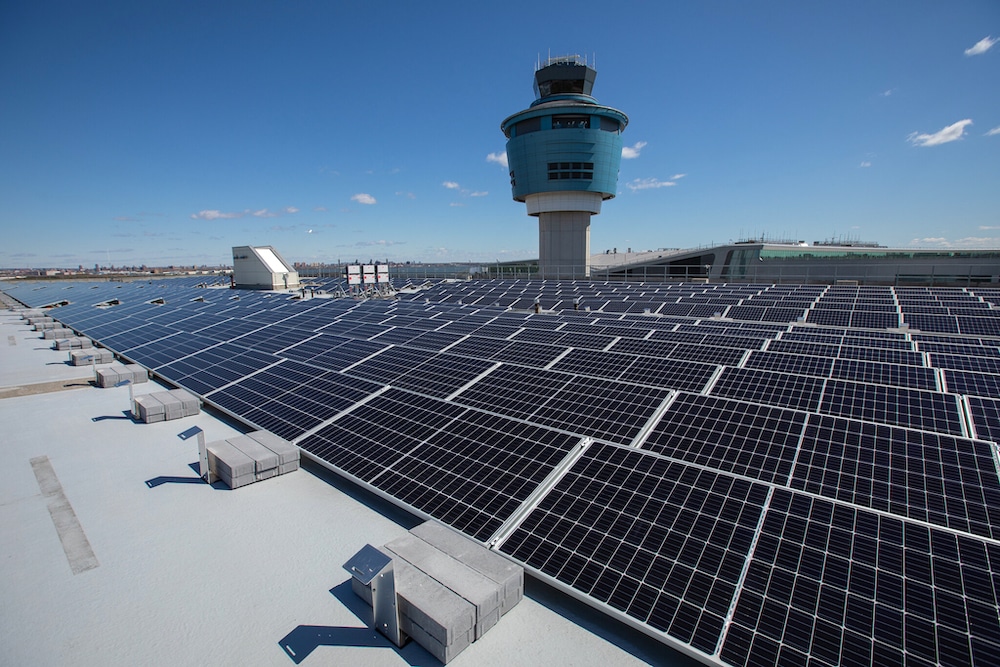
Airports are also adopting sustainable practices, such as solar energy, waste reduction programs, and electric ground vehicles. Together, these efforts demonstrate the industry’s commitment to a more sustainable future.
Careers and Opportunities in Aviation
Aviation offers a wide range of career paths beyond pilots and cabin crew. Engineers, data analysts, software developers, airport planners, and logistics experts all play essential roles in keeping the industry running.
As technology becomes more integrated into aviation, demand is increasing for professionals with skills in automation, artificial intelligence, and cybersecurity. This makes aviation an attractive field for individuals interested in both engineering and innovation.
Training institutions and aviation academies continue to evolve their programs to meet these changing demands, ensuring the next generation of professionals is well-equipped for the future.
What Lies Ahead for Aviation
The future of aviation is shaped by innovation and adaptability. Concepts such as autonomous flight, urban air mobility, and next-generation supersonic travel are moving from theory to reality. While challenges remain, ongoing research and investment continue to push the boundaries of what is possible.
Despite economic fluctuations and global disruptions, aviation has proven to be resilient. Its ability to adapt, innovate, and connect the world ensures that it will remain a vital part of modern society.
Final Thoughts
Aviation in the 21st century is about more than just flying from one place to another. It represents progress, opportunity, and human ingenuity. As technology advances and sustainability becomes a central focus, aviation will continue to evolve—connecting people, powering economies, and shaping the future of global mobility.