The Fascinating World of Aviation: How Flight Continues to Shape Our Modern World
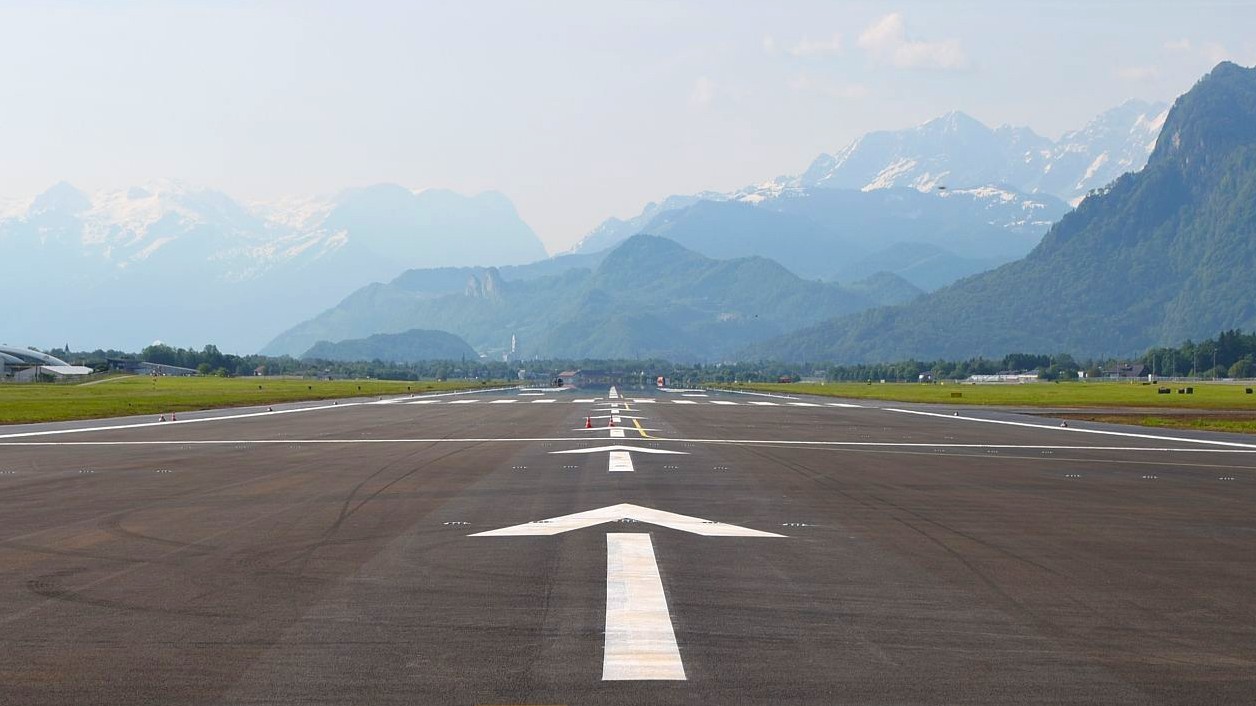
Aviation is one of humanity’s greatest technological achievements. From the first powered flight to today’s ultra-efficient commercial jets, aviation has transformed how we travel, trade, and connect with the world. What once seemed impossible—soaring through the skies—has now become an everyday reality for millions of people.
In this blog, we’ll explore the evolution of aviation, modern aircraft technology, the role of aviation in the global economy, and what the future of flight might look like.
A Brief History of Aviation
The journey of aviation began with human curiosity and ambition. Early inventors studied birds, wind patterns, and basic physics in an attempt to conquer the skies. Hot air balloons marked the first successful human flights, but true aviation began with powered, controlled aircraft.
Over the decades, aircraft evolved rapidly. Wooden frames and fabric wings were replaced by metal structures, jet engines replaced propellers for long-distance travel, and navigation systems became increasingly precise. Military conflicts accelerated aviation innovation, which later benefited commercial aviation and civil transport.
By the mid-20th century, air travel had become faster, safer, and more accessible, laying the foundation for today’s global aviation network.
How Modern Aircraft Work
At the core of aviation lies a balance of physics, engineering, and precision. Aircraft fly using four fundamental forces: lift, thrust, drag, and weight. Lift is generated by the wings as air flows over and under them, while thrust—produced by engines—pushes the aircraft forward.
Modern aircraft engines are marvels of engineering. Jet engines compress incoming air, mix it with fuel, ignite it, and expel it at high speed to generate thrust. Advanced materials allow engines to operate at extremely high temperatures while remaining efficient and reliable.
Inside the cockpit, pilots rely on sophisticated avionics systems. Digital displays provide real-time information about altitude, speed, navigation, weather, and aircraft health. Automation assists pilots, but human decision-making remains critical, especially during takeoff, landing, and unexpected situations.
The Role of Aviation in the Global Economy

4
Aviation is far more than passenger travel—it is a backbone of the global economy. Airlines transport millions of passengers daily, enabling tourism, business, and cultural exchange. Entire industries, from hospitality to international trade, depend on reliable air transport.
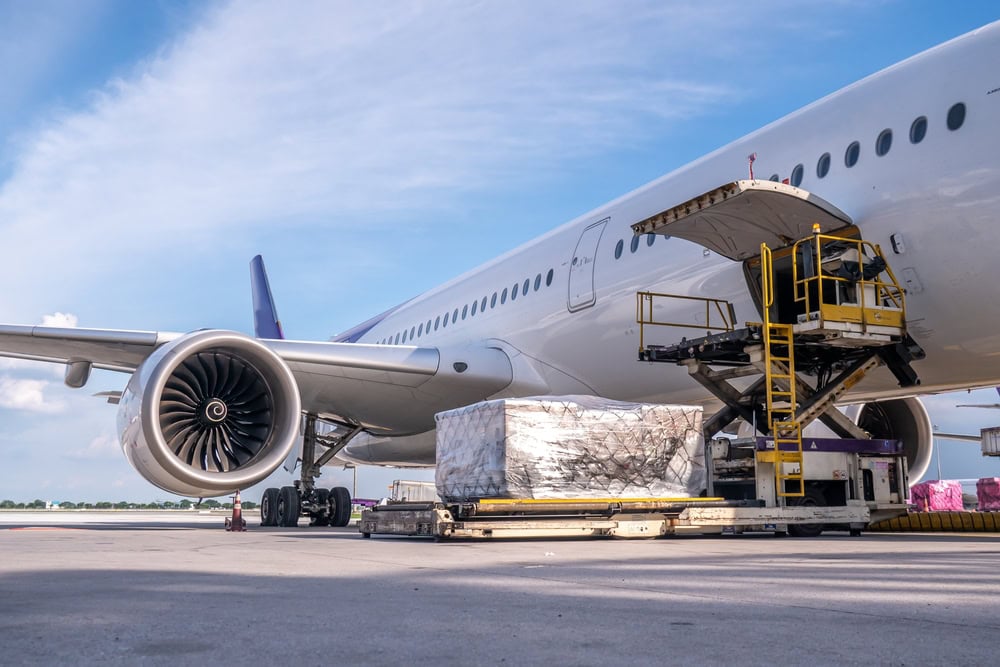
Air cargo plays an equally important role. Perishable goods, medical supplies, electronics, and high-value products often rely on air freight for speed and security. During global emergencies, aviation has proven essential for delivering aid and critical resources across continents.
Additionally, aviation creates millions of jobs worldwide, including pilots, engineers, air traffic controllers, ground staff, designers, and airport operations professionals. Its economic ripple effect extends to fuel suppliers, aircraft manufacturers, technology providers, and infrastructure developers.
Safety in Aviation
One of aviation’s greatest strengths is its commitment to safety. Despite public perception, flying is statistically one of the safest modes of transportation. This safety record is achieved through rigorous regulations, continuous training, and multiple layers of redundancy.
Aircraft undergo strict maintenance schedules, and every component is designed with backup systems. Pilots train extensively using simulators to prepare for rare but critical scenarios. Air traffic control systems carefully manage aircraft spacing and routing to ensure smooth and safe operations.
Investigations of incidents and accidents are thorough and transparent, with lessons shared across the industry to prevent recurrence. This culture of learning and accountability has continuously improved aviation safety over time.
Sustainability and Environmental Challenges
As aviation grows, so does its environmental impact. Fuel consumption, carbon emissions, and noise pollution are key challenges facing the industry today. In response, manufacturers and airlines are investing heavily in sustainable solutions.
Modern aircraft are significantly more fuel-efficient than older models, thanks to improved aerodynamics, lighter materials, and advanced engines. Sustainable aviation fuels (SAF), derived from renewable sources, are gaining attention as a way to reduce carbon emissions without changing existing aircraft.
Electric and hybrid aircraft are also under development, especially for short-haul routes. While challenges remain—such as battery weight and range—these innovations represent a promising step toward greener skies.
The Human Side of Aviation
Behind every flight is a complex network of professionals working together. Pilots, cabin crew, engineers, dispatchers, and air traffic controllers all play crucial roles in ensuring smooth operations.
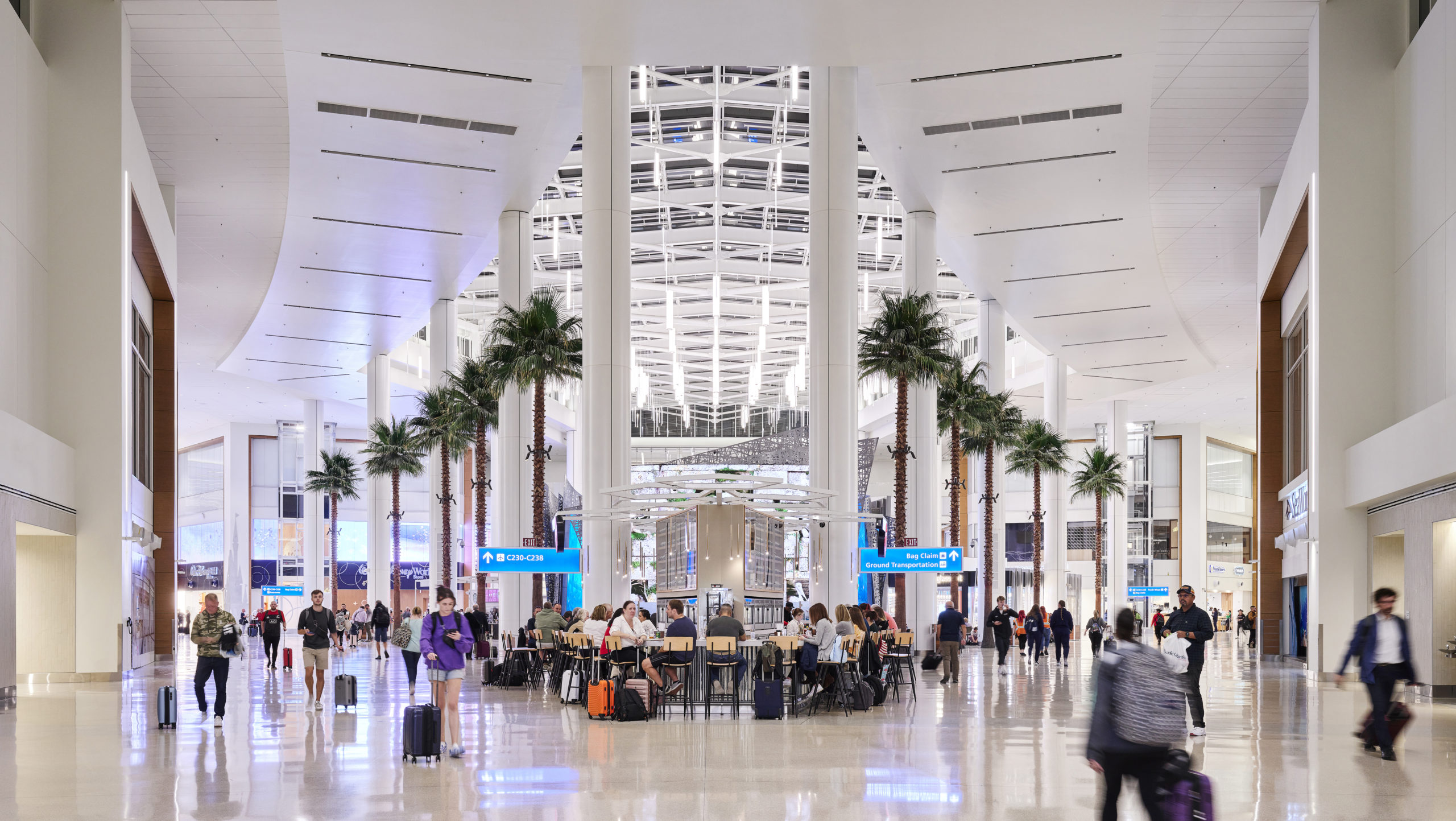
For passengers, aviation often represents excitement, opportunity, and connection. It enables family reunions, international education, career growth, and unforgettable travel experiences. Airports themselves have become hubs of culture, commerce, and innovation, reflecting the global nature of aviation.
The Future of Flight
Looking ahead, aviation is entering an exciting era. Artificial intelligence is improving flight planning and predictive maintenance. Supersonic travel is being reconsidered with a focus on efficiency and reduced noise. Urban air mobility concepts, such as air taxis, aim to redefine short-distance travel in congested cities.
Space tourism and commercial spaceflight, while still niche, are expanding the definition of aviation itself. As technology advances, the boundary between air and space continues to blur.
Despite challenges, the future of aviation remains bright. Innovation, sustainability, and global collaboration will shape the next chapter of flight.
Conclusion
Aviation is more than machines and runways—it is a symbol of human ambition and progress. From connecting distant nations to enabling economic growth and technological breakthroughs, aviation continues to shape our world in profound ways.
As the industry evolves, its core mission remains unchanged: to make the world smaller, more accessible, and more connected—one flight at a time.